Hyundai Sonata : The Hyundai Sonata remains one of the most recognizable midsize sedans in the global market, and the latest updates show that Hyundai is still committed to keeping the nameplate competitive.
In 2026, the Sonata arrives with a revised trim strategy, more standard equipment in select versions, and continued attention on comfort, value, and technology.
For many buyers, the Sonata has long represented a practical alternative to SUVs, offering a lower driving position, a spacious cabin, and a strong list of features.
Hyundai’s latest changes suggest the company wants to preserve that identity while making the sedan more appealing to modern shoppers who expect connected features and advanced driver assistance systems.
New Trim Strategy Brings Fresh Appeal
One of the most notable updates for the 2026 Sonata is the reshuffling of trim levels. In the standard lineup, Hyundai has introduced a new SEL Sport trim, which replaces the previous SEL and SEL Convenience trims.
This move is aimed at simplifying the lineup while giving buyers a better mix of style and value. The updated structure is important because midsize sedan buyers often compare feature sets very closely.
By packaging popular equipment into a more clearly positioned trim, Hyundai makes the Sonata easier to shop and more attractive to people who want a well-equipped car without moving all the way up to a premium variant.
On the hybrid side, the Blue trim has been added as a new entry point, replacing the Hybrid SE. That version is especially significant because it helps the Sonata Hybrid stay competitive against other fuel-efficient sedans in a market where efficiency remains a major buying factor.
Technology Remains a Key Strength
Hyundai has continued to lean on technology as one of the Sonata’s strongest selling points. In the Korean-market 2026 Sonata, the new S trim adds features such as a 12.3-inch digital cluster and navigation, Highway Driving Assist, blind-spot collision-avoidance assist, front ventilated seats, and dual full automatic air conditioning.
These additions matter because they show Hyundai’s strategy of bringing premium-style features to a mainstream sedan.
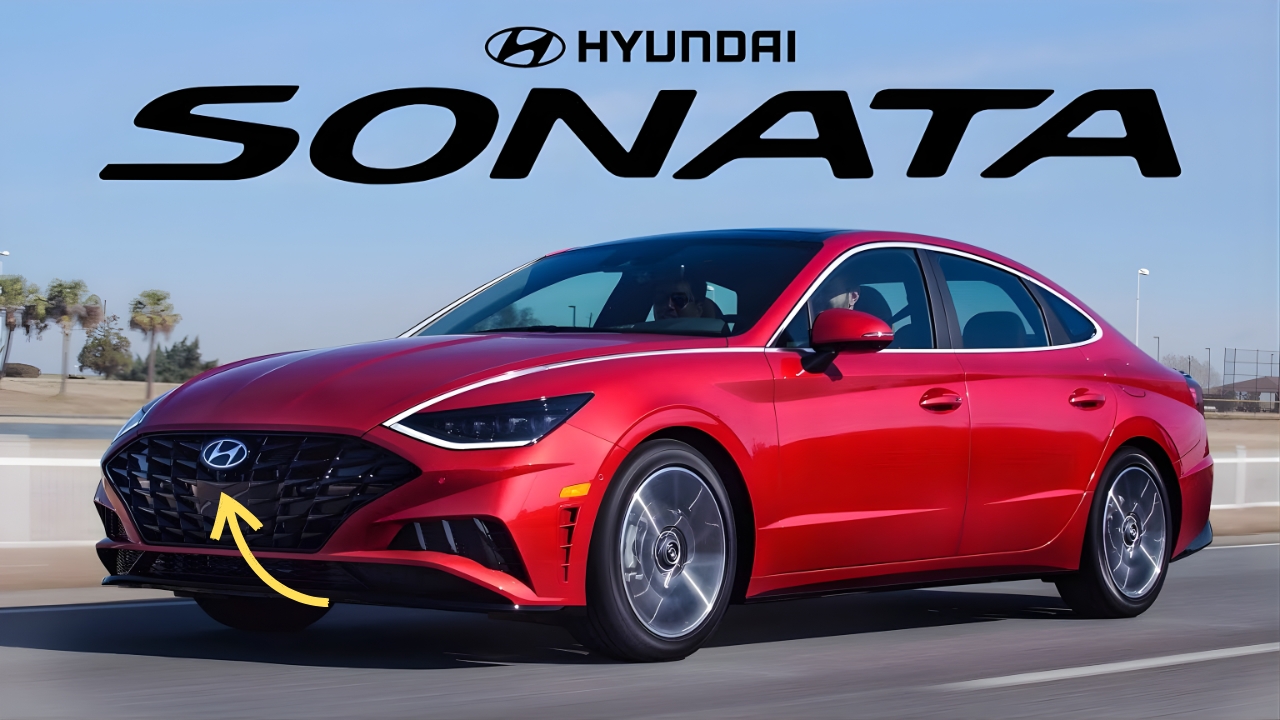
For many customers, the appeal of the Sonata is not just the shape or the badge, but the feeling that the car offers more equipment than expected at its price point.
Even in the U.S.-market version, updated trims bring improvements such as wireless phone charging, a leather-wrapped steering wheel, and 18-inch alloy wheels on the SEL Sport.
The result is a car that feels a little more polished and a little more upscale than its price tag might suggest.
Comfort and Daily Use Stay Important
The Sonata has always been about more than just style. Its cabin space, seating comfort, and calm road manners have helped it remain relevant even as SUVs dominate showroom floors.
Hyundai appears to understand that the people still shopping for sedans often care deeply about everyday comfort, fuel efficiency, and ease of driving.
The 2025 updates also pointed in this direction, including the return of the SE trim and the repositioning of the SEL Convenience package as a standalone option.
The Sonata N Line also gained a second-row console-mounted air vent, a small but meaningful improvement for rear-seat comfort.
That kind of change may not generate dramatic headlines, but it is exactly the sort of practical refinement that keeps a model like the Sonata relevant.
Buyers in this segment often value thoughtful details more than flashy claims, and Hyundai seems to be responding to that expectation.
Hybrid Efficiency Stays Competitive
Fuel efficiency is one of the Sonata’s most important advantages, especially in hybrid form. For 2026, the Sonata Hybrid Blue is estimated to deliver up to 51 mpg combined, while other hybrid versions are rated at up to 47 mpg combined, according to Hyundai-estimated figures cited by industry sources.
That makes the Sonata Hybrid one of the more appealing choices for drivers who want sedan comfort without the higher fuel costs that often come with larger vehicles.
In a market where many shoppers are looking for ways to reduce running expenses, a strong hybrid offering can be a major advantage.
The hybrid strategy also gives Hyundai a broader audience. Some buyers want a stylish family sedan, while others want a commuter car with lower operating costs.
The Sonata Hybrid tries to serve both groups without sacrificing the overall design and technology package that defines the model line.
A Sedan With a Clear Identity
The modern Sonata has a bold personality. Its styling is more expressive than many rivals, and that helps it stand out in a segment that is often criticized for being conservative.
Hyundai has used the Sonata to show that a family sedan can still look distinctive while remaining practical.
That identity continues to matter in 2026. Even as some competitors rely heavily on familiar styling and incremental updates, Hyundai is using trim reshuffles, feature improvements, and hybrid enhancements to keep the Sonata fresh.
This approach may not transform the sedan segment, but it does give the Sonata a sharper edge in a crowded market.
Hyundai Sonata : What Buyers Should Expect
For shoppers considering the Sonata, the latest updates reinforce three key strengths: value, technology, and efficiency.
The new trim structure should make the lineup easier to understand, the additional equipment should improve everyday convenience, and the hybrid version continues to offer a strong fuel economy story.
That combination keeps the Sonata relevant at a time when sedans face heavy pressure from crossovers. It may not be the most talked-about car in Hyundai’s range, but it remains one of the company’s most balanced products.
Also Read This : Maruti Alto 800 Reborn with all new look, luxury features, starting price is ₹4 Lakhs
For buyers who still want a midsize sedan that feels modern, comfortable, and well equipped, the Sonata remains a serious option.