Nokia 3210 : Long before smartphones turned our lives into endless scrolling, the Nokia 3210 ruled the late‑1990s mobile world thanks to its rock‑solid build, simple keypad, and that addictive Snake game.
Now, two and a half decades later, the little green snake is back on the move—HMD Global, the company behind Nokia’s phones, has revived the 3210 as a 2024‑style “digital‑detox” feature phone that blends throwback charm with modest modern features.
A Blast from the Y2K Era
The original Nokia 3210 launched in 1999, just before the world flipped into the new millennium.
It was one of the first phones to ship with an internal antenna, a compact candy‑bar body, and a T9 keypad that made typing SMS messages feel almost natural.
At the time, being able to swap between multiple ringtones, keep the phone powered for days, and even play Snake on a tiny monochrome screen felt like luxury.
For millennials, the 3210 wasn’t just a phone; it was a status symbol, a gaming console, and a social lifeline rolled into one chunky plastic shell.
Today, that same emotional nostalgia is exactly what HMD is tapping into by reviving the 3210 in the 2024 tech cycle.
Design and Feel in 2024
The new Nokia 3210 keeps the classic candy‑bar silhouette but gives it a sleeker, slightly more modern profile.
It arrives in three punchy colours—Grunge Black, Y2K Gold, and Scuba Blue—each aimed squarely at buyers who either remember the original or want to lean into the “dumbphone” aesthetic on purpose.
The front still features a small 2.4‑inch TFT LCD with QVGA resolution, which looks dated next to modern smartphone screens but feels perfectly suited to a device that’s supposed to keep you offline.
The T9 keypad and that chunky navigation cluster are largely unchanged, giving long‑time users a comforting sense of déjà‑vu the moment they pick it up.
Modern Features Inside a Retro Shell
Although the 3210 looks like it stepped out of a 1999 catalogue, the insides are more 2024 than 1999.
It runs on HMD’s S30+ OS, a stripped‑down platform that lets you make calls, send texts, and browse a very basic web, all without the clutter of full‑blown apps.
The device also supports 4G connectivity, Bluetooth 5.0, FM radio, an MP3 player, and a 2MP rear camera with LED flash—small upgrades that quietly drag the 3210 into the current decade.
Another old‑school touch is the removable 1,450 mAh battery, paired with a USB‑C charging port so you’re not stuck hunting for a proprietary charger.
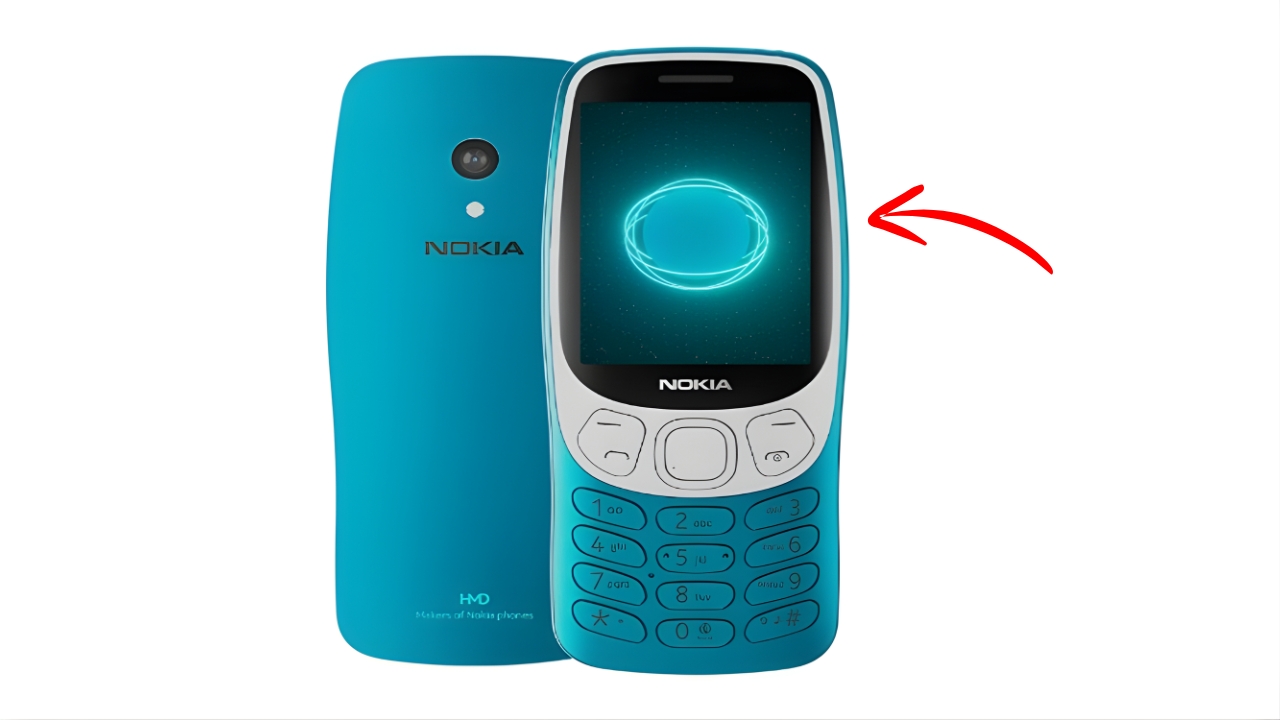
HMD markets this as a “digital‑detox” phone, leaning into the growing consumer desire to step back from constant notifications and social‑media feeds.
Why a Nostalgic Feature Phone Still Sells
The revival of the Nokia 3210 fits neatly into the wider “dumbphone boom” of the 2020s, where users are actively seeking simpler devices to cut screen time and reduce digital stress.
HMD positions the 3210 as a secondary phone—something you keep in your pocket when you’re hiking, travelling, or just need a break from your smartphone’s relentless ping‑ping‑ping.
The built‑in Snake game is obviously a headline‑grabbing gimmick, but it also underlines the phone’s laid‑back vibe.
It’s not designed to edit spreadsheets or binge‑stream videos; it’s meant to make calls, send messages, take a few snapshots, and maybe burn a few minutes squeezing as many pixels as possible into Snake’s snake.
Pricing and Market Appeal
Priced at around €80–€90 (roughly Rs 7,000–8,000 depending on region and taxes), the Nokia 3210 isn’t competing with budget smartphones on specs, but it’s also not just a cheap novelty toy.
For nostalgic adults, parents looking for a first phone for kids, or seniors who value simplicity over slick apps, it carves out a niche that most flagship‑obsessed brands tend to ignore.
In India and other emerging markets, the 3210’s compact size, simple interface, and relatively low price could make it a practical backup device or a starter phone for users who don’t want to deal with Android bloat.
Even if it never outsells smartphones, it serves as a reminder that sometimes “less” can feel more intentional—and more human.
Nokia 3210 What This Means for Nokia’s Image
By reviving the 3210, Nokia and HMD are doubling down on emotional branding instead of raw specs.
The phone isn’t meant to win benchmark races; it’s meant to win over hearts that remember the sound of an old‑school ringtone or the satisfying click of a physical keypad.
Also Read This : Bajaj Platina 110 come in sporty look, mileage is 95 Kmpl with low cost price
In a market flooded with glass‑and‑metal slabs that all look the same, the Nokia 3210 stands out because it dares to be different.
Whether you see it as a conversation‑starter, a fashion accessory, or a serious digital‑detox tool, its return proves that some ideas from the Y2K era are still worth pressing “call” again.